
Records Behind Searcy Neighbors
A block search in Searcy answers a simple question without guessing. Who owns the land next door, and where does the county send their mail? The Searcy neighbors lookup starts with parcel maps. It leans on assessment rolls. It adds only what public sources willingly publish. It never assumes an owner sleeps on the lot. Renters, relatives, and past residents can all share one address. Every name needs a source you can point to. Want to find who lives on a street in Searcy? Work from the records out, not from rumors in.
| Public source | Block-level evidence | Practical access |
|---|---|---|
| White County GIS | Parcel lines, identifiers, and nearby tracts | Free ArcGIS viewer; click polygons and verify details |
| White County assessment | Owner, mailing destination, situs, and parcel facts | ARCountyData or Assessor office |
| Arkansas voter data | Permitted registration and address fields | Individual VoterView check or restricted extract request |
| Civic organizations | Public officers, meeting contacts, and events | Official public contact pages only |
| Historical maps and files | Older building pattern and past household clues | Library of Congress and Arkansas Room |
Call the result an owner map until another source confirms occupancy. Renters, children, and relatives often never appear in parcel data. The owner's mailing address can point somewhere else entirely.
Map Searcy Neighbors Parcel by Parcel
Start with the White County ArcGIS map. Pan or search to the address, click the parcel polygon, and note its identifier. Then walk the block tract by tract. Hold the same map scale as you go.
- Normalize the street number, direction, and name before searching the map.
- Open the target polygon and copy the parcel identifier shown in its popup.
- Click each tract that touches, faces, or sits directly behind the target.
- Check each parcel in the assessment system for owner, situs, and mailing destination.
- Label the result as a parcel-owner map, with the date each record was viewed.
The cadastral service handles geometry and distance queries well. However, its technical endpoint is no polished resident finder. Parcel fields can carry owner name, full address label, ZIP, and assessed value. They can also carry subdivision, neighborhood code, section-township-range, and a source date. A response tops out at 200 records. That cap is one more reason to keep any Searcy block query tight. Attributes can also lag what the county itself publishes. To cover an entire road rather than one block, the Searcy street directory lookup fits better.
Searcy Blocks Bend Around Alleys
Two houses can feel like neighbors and share no parcel line at all. An alley often splits them. A big rear tract may touch several small lots. A corner parcel can face a different street altogether. The map shows these relationships plainly. Still, you have to decide what counts: touching land, visible homes, or a short walking radius. Measurement and selection tools help when they are turned on. Layers can add roads, districts, city limits, or flood context to the picture. Always check the popup identifier against the assessor record rather than trusting the popup alone. A stale owner name on the map can paint the whole block wrong.
Note: Record the map scale and date so another person can repeat the same Searcy block check.
The assessor separates a situs address from an owner mailing address. Situs is where the taxed parcel physically sits. Mailing is where notices go. When the two match and a homestead-credit field appears, the records fit owner occupancy. They still do not name everyone inside the home. A mismatch can mean an absent owner, a trust, an agent, a business mail stop, simple preference, or old data. It identifies no occupant by itself. The same caution applies to a whole-street export. Parcel data yields an owner list, not a true directory of who lives nearby.
Keep the labels clear. Write “record owner,” “mail destination,” and “possible occupant” as separate fields. Never turn an inference into a claimed household fact.
Voter Data Near Searcy Neighbors
Arkansas VoterView verifies one identity you supply. It uses first name, last name, date of birth, and county. It is not a street browser. A non-match may come from spelling, a recent update, inactive status, or wrong identifiers. So it never proves someone left Searcy. The statewide voter-data instructions cover VR, VH, and combined files. Vote history records only whether a person took part in a federal election from 2008 forward. It never shows a ballot choice. The large files arrive as quoted, comma-delimited data. County electronic-list fees are capped by list size under Ark. Code §7-5-109, while the statewide files themselves carry no cost. Protected fields and secure-voter addresses stay excluded. Any street-level use must follow the written request terms, file restrictions, and Arkansas law.
Note: Address Confidentiality Program safeguards must never be defeated by matching voter, parcel, or directory records in Searcy.
Searcy Block Lookup Uses Contacts
Searcy publishes no citywide neighborhood-association directory. That gap is worth knowing up front. Main Street groups, churches, civic clubs, and the Chamber do post public officers and event contacts, but those pages never authorize copying private membership rosters.
| Community channel | What can be used | Boundary |
|---|---|---|
| Searcy department contacts | Published city office and service contacts | Not a household directory |
| White County Historical Society | Archive, cemetery, death-index, and public research contacts | Historical leads need source checks |
| Churches and civic clubs | Public officeholders, meetings, and event notices | Private rosters remain private |
For a routine block question, reach out to a published officer and ask about public meetings or official channels. Never chase a private residents list.
Rebuild an Earlier Searcy Block
Six Sanborn fire-insurance map editions cover Searcy, dated 1886, 1892, 1896, 1901, 1908, and 1919. The sheets are verified. They show street labels, building forms, and how each structure was used. They do not name occupants. To rebuild who lived on an earlier block, pair the maps with a legal description. Add the public census schedules through 1950. Add any directory or telephone book the Arkansas Room can confirm.
The Searcy Public Library adds more depth. It holds Daily Citizen microfilm from July 1953. It also holds pre-1920 White County marriage material, local family histories, and HeritageQuest access. Every name should still be tied to a date. The older core near Main, Market, Arch, Race, the courthouse square, and Spring Park carries a different evidence mix than later commercial corridors. Modern parcel boundaries should never be projected backward without checking the plats and maps first.
Official records and commercial neighbor tools answer different questions. A records office keeps a narrow, checkable source. Its keeper and field meanings can be confirmed. A commercial result may merge many sources, blur the dates, or attach the wrong person to an address.
| Feature | Official parcel and voter sources | Commercial lookup category |
|---|---|---|
| Custodian | Named county or state office | Private compiler |
| Source date | Often shown or available from the office | May be unclear |
| Meaning | Owner, parcel, or registration fact | Mixed identity and address claims |
| Correction route | Custodian process for source errors | Service-specific suppression or dispute path |
Start any Searcy block search with the official field, and state plainly what it proves. Treat a broad commercial match as an unverified lead only. It is never a reason to confront someone.
Searcy Neighbors and County Safety
Public-safety tools are not general neighbor directories. Use each one only for the narrow purpose its agency states, read the warnings, and verify any result with the issuing office. The White County Sheriff publishes official contacts and links to county resources.
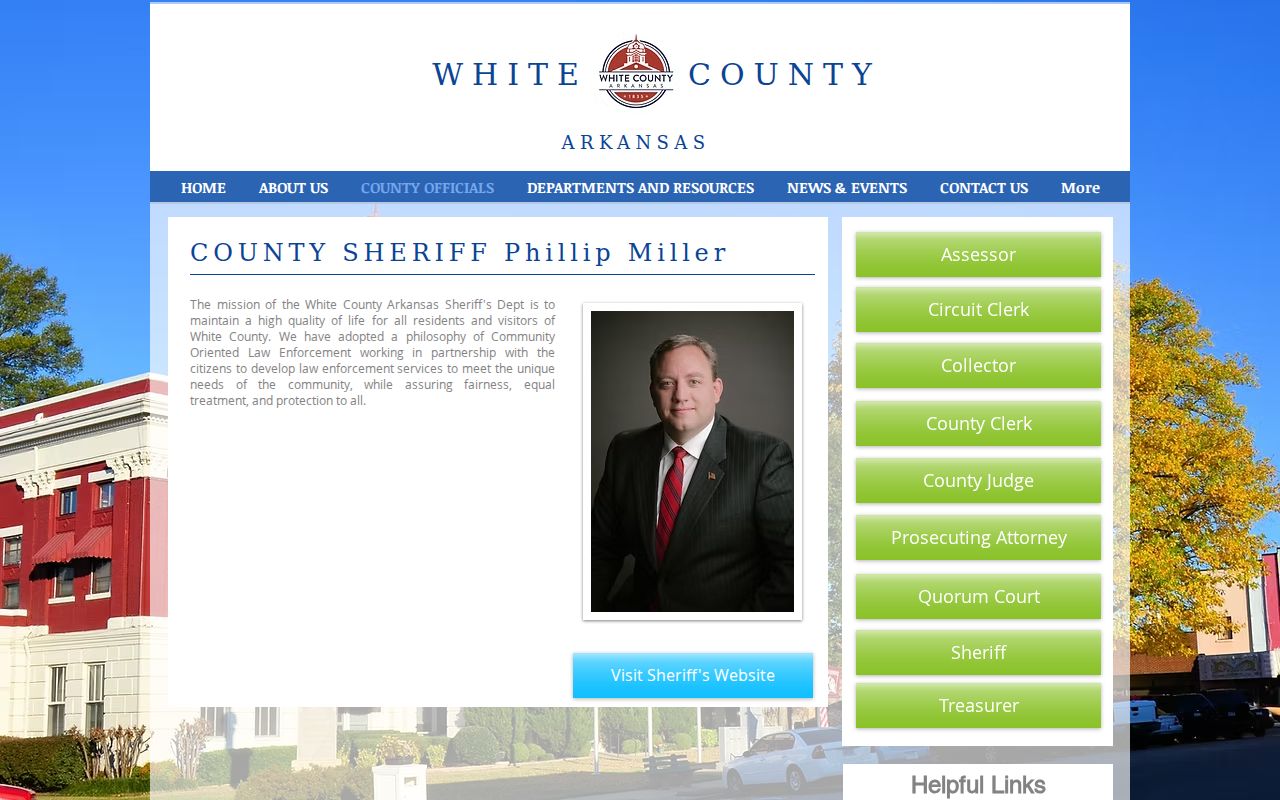
The Sheriff page gives the official route for county questions, which beats relying on copied or stale posts. The White County inmate roster separates current, new, and released entries.
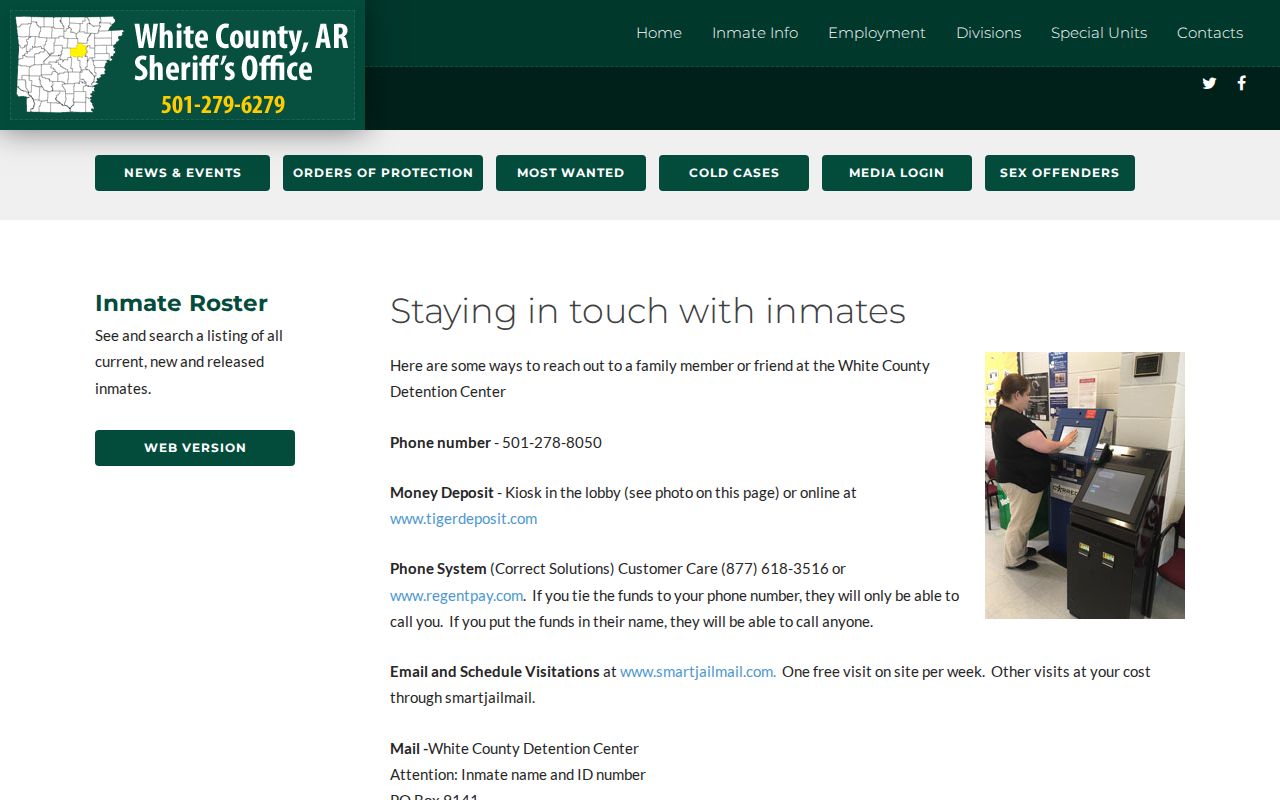
A roster entry only reflects custody status at a point in time. It describes no block and proves no current home address.
Searcy State Safety Lookup
The Arkansas Department of Corrections inmate search is a separate statewide system. Read its results in a correctional context. Always check current status before drawing any conclusion. A matching name alone cannot tie a record to one White County parcel, and the record must never stand in for the county assessment source.
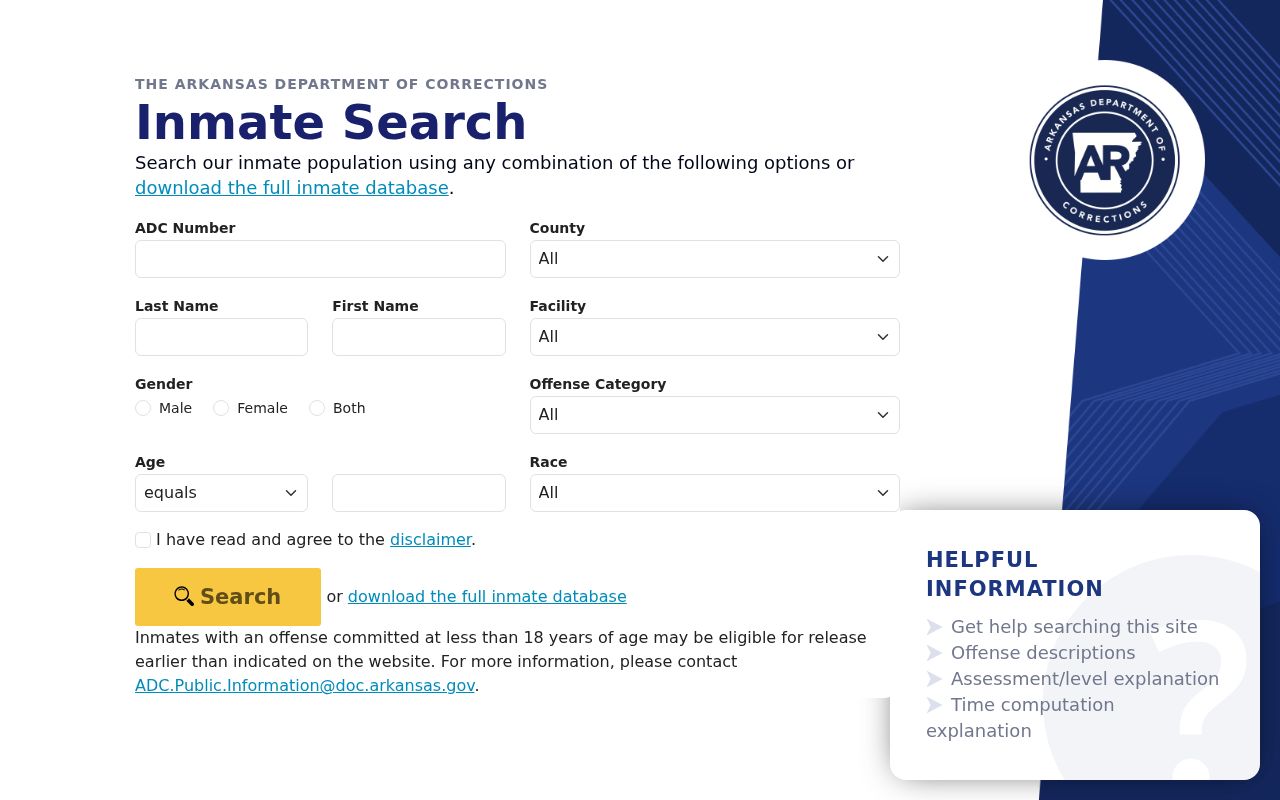
County jail and state correction records cover different custody systems, so never blend names or status across them. When a lawful safety check requires later verification, save the agency name, the record date, and the identifier. The Arkansas offender search carries its own statutory warning and publication limits.
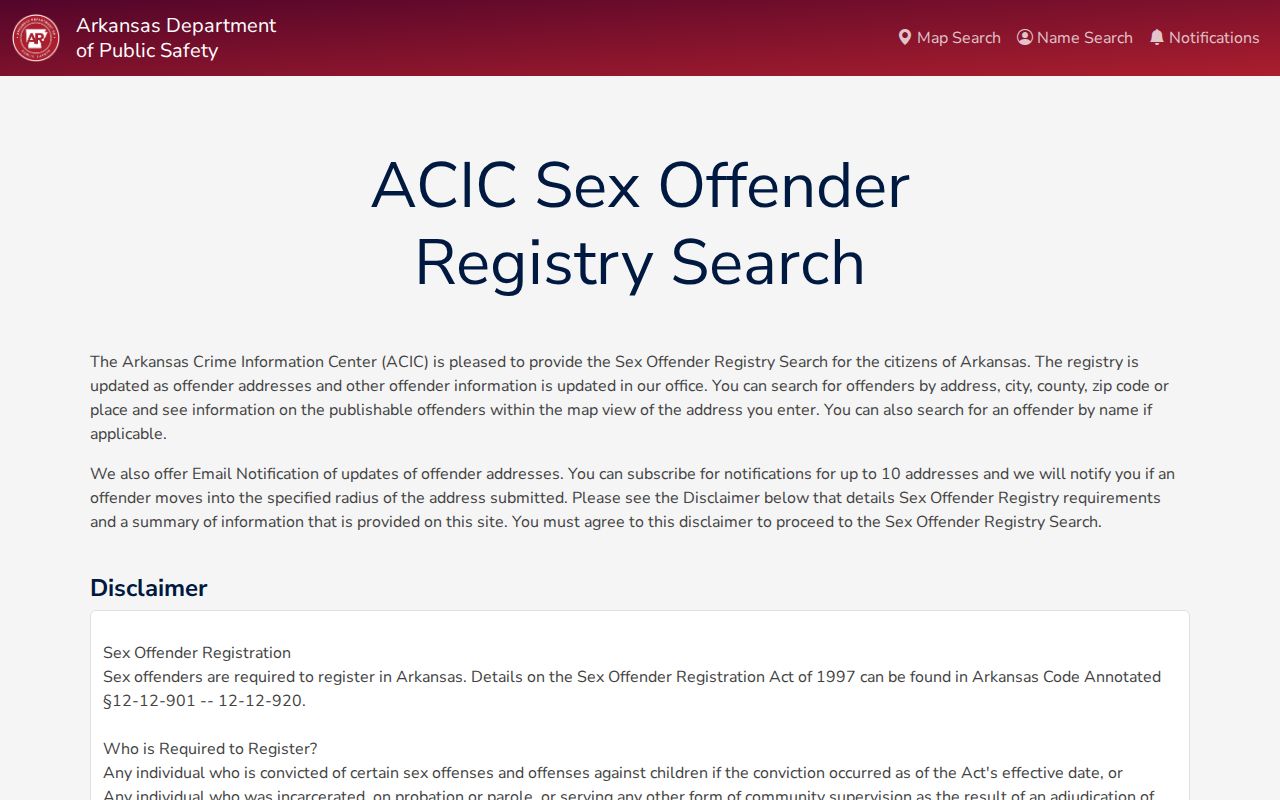
Read the registry notice first. Never use a result to threaten, shame, or harass any person.
Protect Your Searcy Neighbors
Some records stay private even when a parcel is public. Utility accounts, delivery data, DMV addresses, protected-voter locations do not become open records. Private group rosters do not either. The federal Driver's Privacy Protection Act restricts motor-vehicle personal information. Arkansas harassment provisions appear at Ark. Code Ann. §5-71-208, with stalking provisions at §§5-71-228 and following. Conduct, threats, and repeated unwanted contact matter even when the starting source was public. If there is an immediate threat, call 911. Searcy Police lists 501-268-3531 for non-emergency contact.
For a deceptive solicitation or identity issue, use Arkansas Attorney General Consumer Protection. Nationwide fraud can be reported through the FTC ReportFraud service.
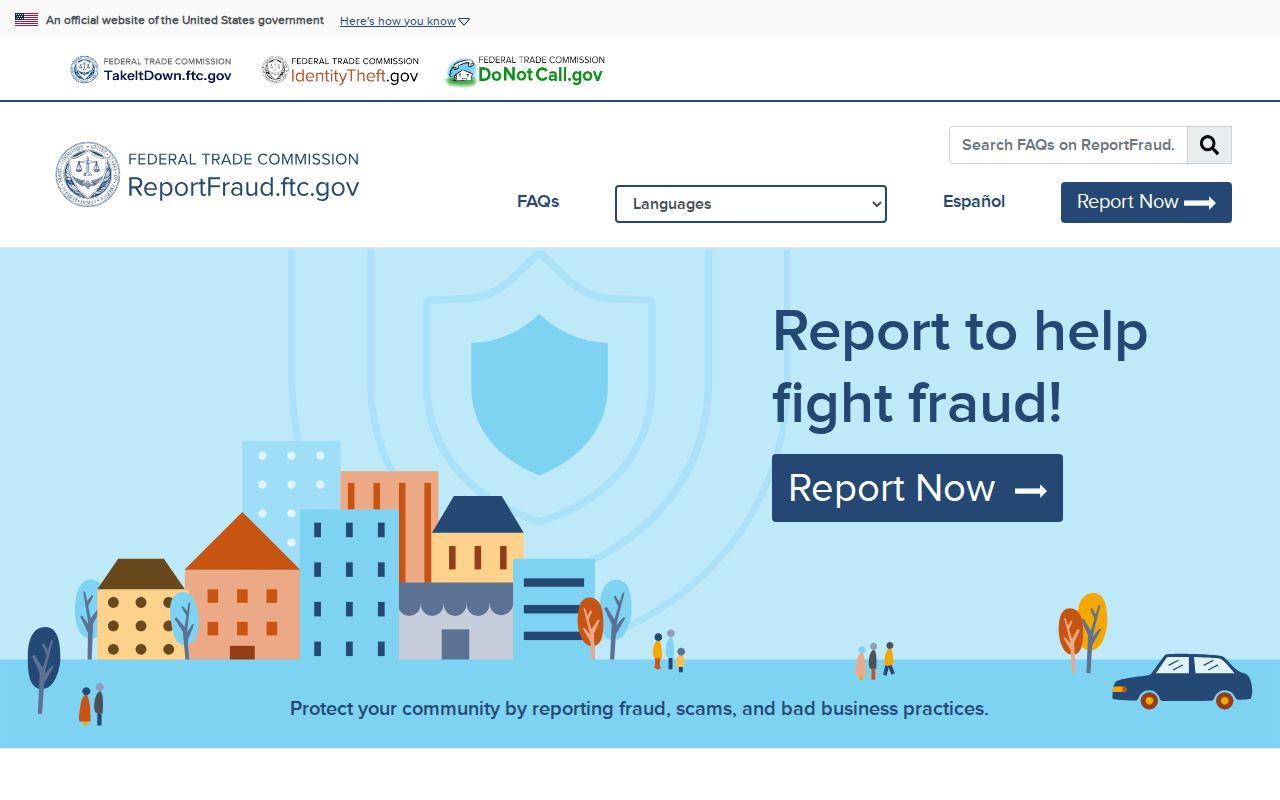
The reporting page offers a formal route for fraud concerns. It settles the problem without pulling neighbors on the block into a personal dispute.
Lawful use. Learn about a Searcy block for civic contact, history, or personal safety. Do not watch, expose, intimidate, or harass another person.